
How to Build an Online Course Learners Actually Trust
There are more online courses live right now than at any point in history, and most of them will never get a review. Not a bad one, not a single one. A learner lands on a sales page, sees a topic they want to learn, and has no real way to tell whether the person on the other end knows what they're doing or just knows how to sell.
I found that out the hard way with my own first course. I did all the work researched it properly, structured it, recorded it, the whole thing. Then I hesitated to actually publish it. Not because I doubted the content. Because I was worried people would assume I was just another scammer cashing in on a trend, the way so many course sellers before me had trained buyers to assume.
That's the actual bottleneck in online education today. It isn't a shortage of good teachers. It's that "good" is invisible until someone has already paid and sat through the first three lessons, so the market ends up judged by its worst actors, and everyone else pays the trust tax.
Trust Is Built in Two Places, Not One
Ask a learner why they trust a course, and the answer usually splits into two unrelated things whether the course itself is well made, and whether anyone besides the creator has vouched for it. Creators tend to obsess over the first and ignore the second, which is backwards, because buyers weigh them almost equally. A beautifully produced course with zero independent validation reads exactly like a beautifully produced scam to someone who's been burned before. Polish stopped being proof of anything once every scam operator figured out how to fake it too.

What Verification Actually Filters Out
This is the half of the problem platforms like AllPros exist to solve, and it's worth being specific about what that actually involves, because "verified" is a word that gets used loosely.
A real vetting process isn't a checkbox. It's an application the creator has to pass. That typically means the platform reviewing who the creator actually is (credentials, track record, whether they can substantiate the expertise they're claiming), sampling the course content itself rather than taking the sales page's word for it, and checking whether the course delivers roughly what it promises. Creators who can't substantiate their claims, or whose content doesn't match the pitch, don't get the badge. That's the entire point. A verification system that verifies everyone isn't a filter; it's a rubber stamp, and learners can tell the difference within a few clicks.
The second, harder to fake piece is the reviews themselves. The reason a platform built on "real student reviews" is worth more than a testimonials section on a sales page is that the creator doesn't get to curate it. Reviews tied to verified enrollment, published whether they're flattering or not, are a fundamentally different kind of evidence than three quotes the creator hand picked. That's the same mechanism that makes Trustpilot worth more than a "what our customers say" page, or G2 worth more than a vendor's own case studies the value isn't the rating, it's that the creator can't touch it.
For a buyer standing on a sales page with no way to independently check any of it, that combination a creator who passed an actual filter, plus reviews they didn't get to hand pick, is the difference between "trust me" and evidence they can go verify themselves. For a creator, it's the piece no amount of production budget can buy on its own. You can build a technically excellent course and still lose the sale to skepticism; independent verification and unfiltered reviews are what turn "this looks professional" into "I'm confident enough to pay."
Production Still Matters, But It's Not the Bottleneck It Used to Be
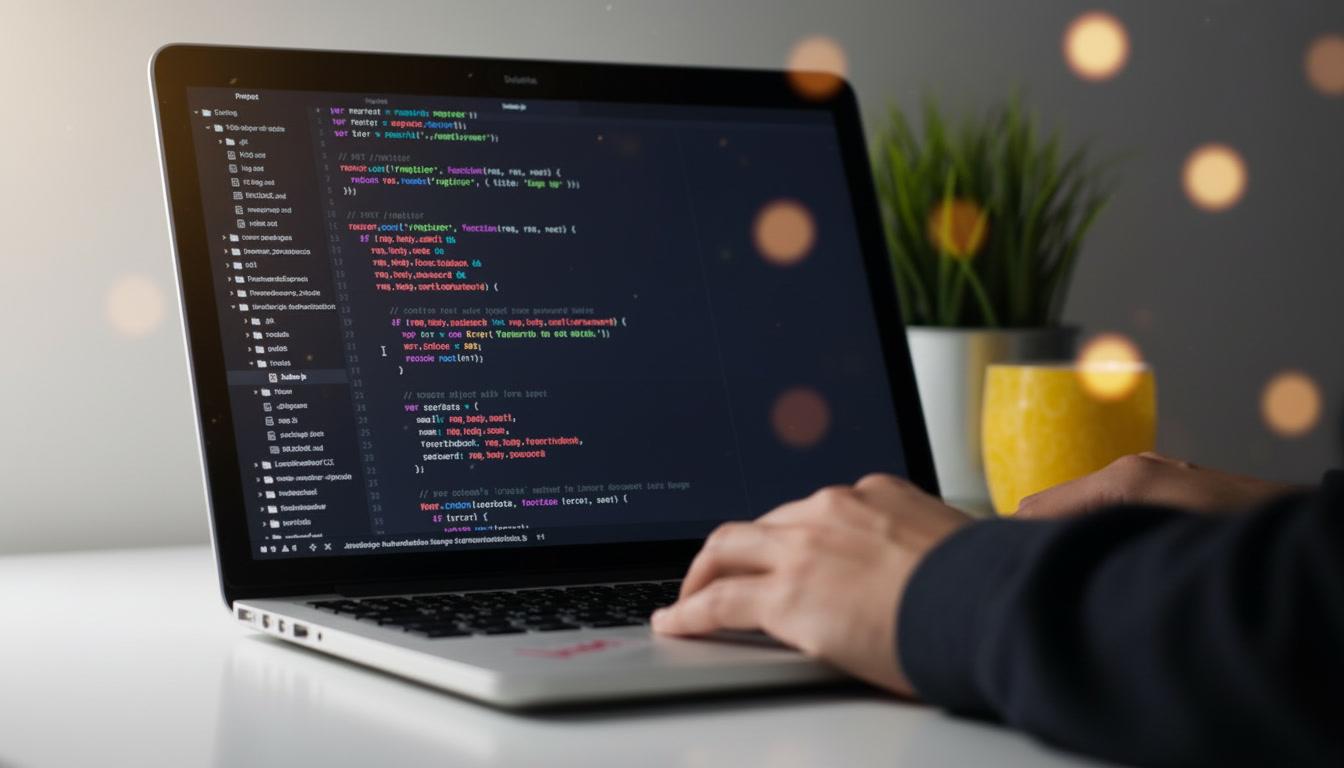
None of this means production quality is irrelevant. A badly structured, badly taught course doesn't get saved by a verified badge. It just means production has stopped being the hard part. Building a full course used to take months of scripting, recording, and editing, which is why so many qualified people never finished one. That gap has closed fast a growing number of creators now use AI assisted platforms. MakeOnlineCourse (makeonlinecourse.com) is one example. These tools turn a topic into a structured curriculum, full lesson scripts, and a produced video or audio course in a fraction of the time, while still requiring the creator to review and edit every script before it ships.
That shift matters here only because it changes what's actually scarce. When production stops being the bottleneck, the thing that separates a credible course from a forgettable one is exactly what verification checks for real expertise, honestly represented, backed by people who actually took the course.
How Learners Know What's Real
When a learner evaluates whether to trust a course, the signals that actually work are the ones a creator can't fake. A verification badge from a platform that actually rejects courses, paired with student reviews that the creator didn't get to hand pick, is more credible than any sales page copy. Credibility isn't built in marketing. It's built in what independent people say after they've paid and finished the lessons.
Frequently Asked Questions
What does course verification actually check?
A real verification process reviews who the creator is (credentials and track record, not just claims), samples the actual course content rather than relying on the sales page, and confirms the course delivers roughly what it promises before granting a badge. Creators who can't substantiate their expertise or whose content doesn't match their pitch are expected to be rejected. A verification system that approves everyone isn't functioning as a filter.
How can learners spot a course seller who isn't legit?
The most reliable signals are the ones the creator can't control reviews tied to verified enrollment rather than hand picked testimonials, a verification badge from a platform with an actual rejection rate, and a track record that predates the current sales page. Red flags run the other way only positive quotes with no way to check who wrote them, urgency driven pricing with no substantive proof behind it, and no independent presence outside the creator's own marketing.
Why do unfiltered student reviews matter more than testimonials on a sales page?
Because the creator doesn't get to curate them. A testimonials section is, by construction, the three best things anyone has ever said about the course. Reviews tied to verified enrollment and published regardless of sentiment are a different kind of evidence. The same reason Trustpilot ratings carry more weight than a company's own "what our customers say" page, or G2 worth more than a vendor's own case studies the value isn't the rating, it's that the creator can't touch it.
Does using AI to help produce a course affect how trustworthy it is?
Not directly. AI assisted production changes how fast a course gets made, not whether the content is accurate or well taught. That still comes down to the creator's expertise and how carefully they review the material before publishing. What actually damages trust is skipping that review, not the fact that a tool helped with scripting or editing.
About the Author
Amit Marmari is the founder of MakeOnlineCourse , an AI powered platform that turns a course topic into a complete curriculum, lesson scripts, and a produced video or audio course.